Crystal-Clear Commercial Grade Epoxy
Engineered specifically for Bar Tops, Tabletops & Countertops.
Engineered specifically for Bar Tops, Tabletops & Countertops.
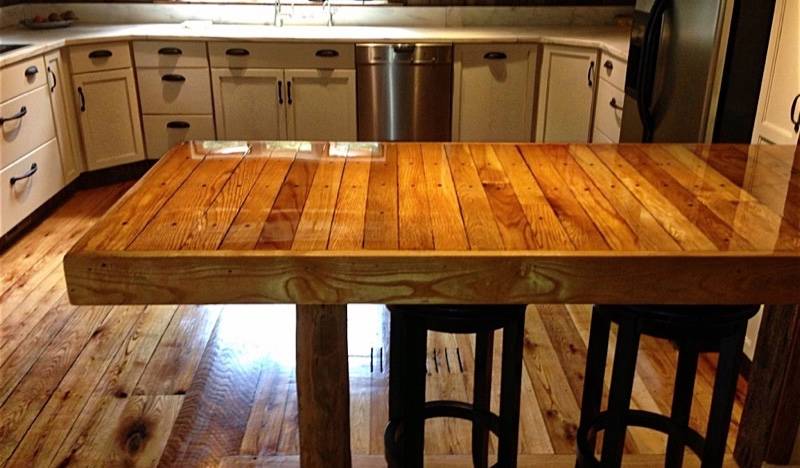
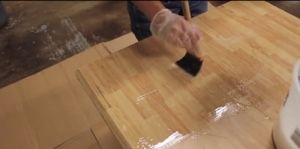
This video shows how to apply a Seal coat of PrimaLoc Epoxy followed by a Flood coat on a stained butcher block surface. It is best to mix up a smaller batch of epoxy for the seal coat to make sure it does not start curing in the container before you finish. When you run out, you simply mix up another seal coat batch and paint it on where you left off. If your wood is old barnwood or very porous, you would want to do two seal coats 4 hours apart followed by the self-level flood coat. { View More Videos }
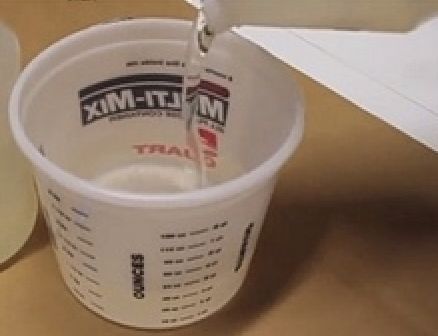
PrimaLoc is a two-part, epoxy coating that is mixed at a 1 to 1 ratio. Pour an equal amount of hardener and resin into a new container. It is important that you use a new container for each batch that you mix so that the next batch does not get contaminated from the remnants of curing epoxy in the previous container.
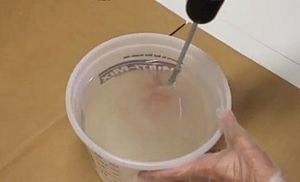
Mix thoroughly with our mixing drill bit to ensure that the batch is completely blended.
On porous material such as wood, you will need to paint on a seal coat of the same epoxy first to seal any pores in the surface. This prevents air bubbles from forming in the following flood coat. Not all surfaces require a seal coat. Contact customer service if you are unsure if your project will need a seal coat as you will need to figure the seal coat into your epoxy order to make sure you have enough product.
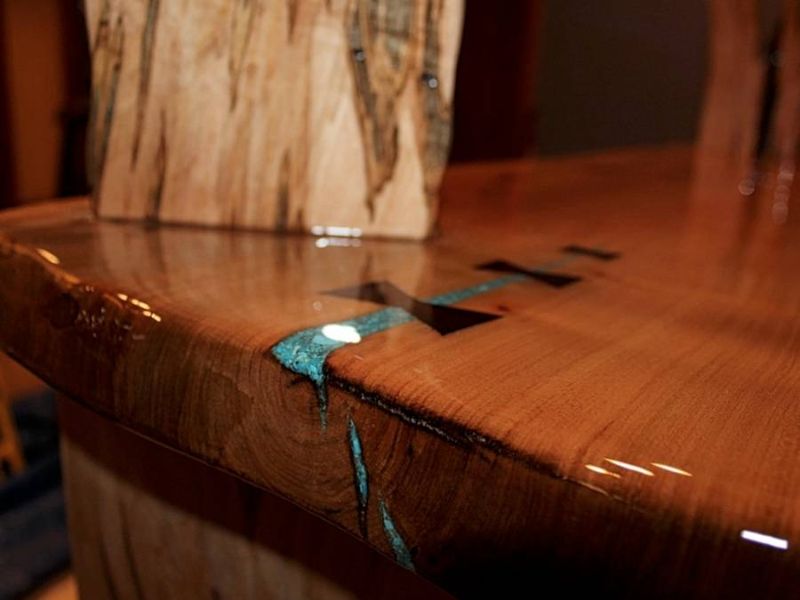
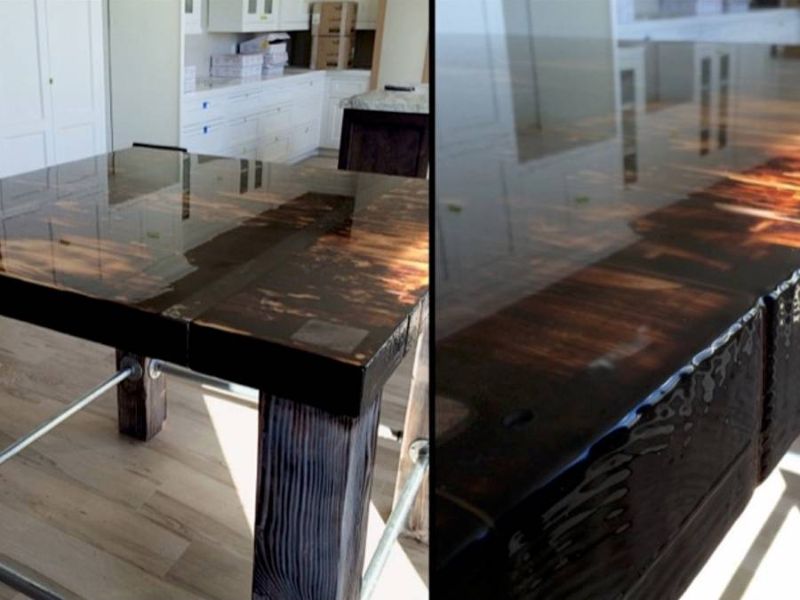
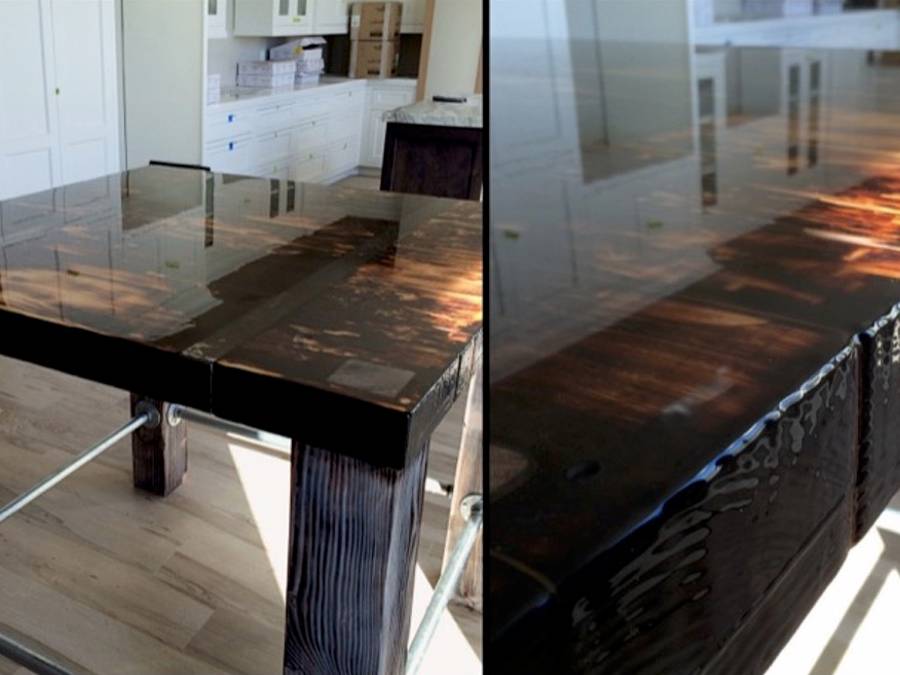
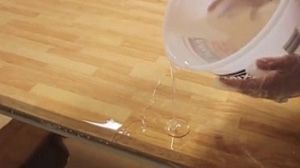
Pour the epoxy onto the surface working your way down the length of the area. The epoxy self levels so there is no need to move it around with any tools. The epoxy coat can be allowed to flow over the sides which will create a coating on the vertical edges. The epoxy that drips over will form bumps about 1/2 inch underneath the lip of the edge. These drips can be sanded off once the epoxy has cured.
*Multiple flood coats can be applied to cover over embedded objects. Just pour a new flood coat every 4 hours.
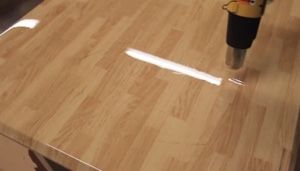
Once you finish pouring the epoxy, you will need to pop air bubbles using a plumber’s torch or a heat gun (not a hair dryer). This process is the easiest step as it only takes about 30 seconds to 1 minute to do. Keep the torch or heat gun a few inches from the surface and simply wave it back and forth until you cover the entire distance of the surface. The heat pops any bubbles instantly.
Choose from the large selection pre-made blocks - full-screen intro, bootstrap carousel, slider, responsive image gallery with, parallax scrolling, sticky header and more.
For most applications, PrimaLoc Epoxy is applied in two stages, the Seal Coat stage and the Flood Coat stage.
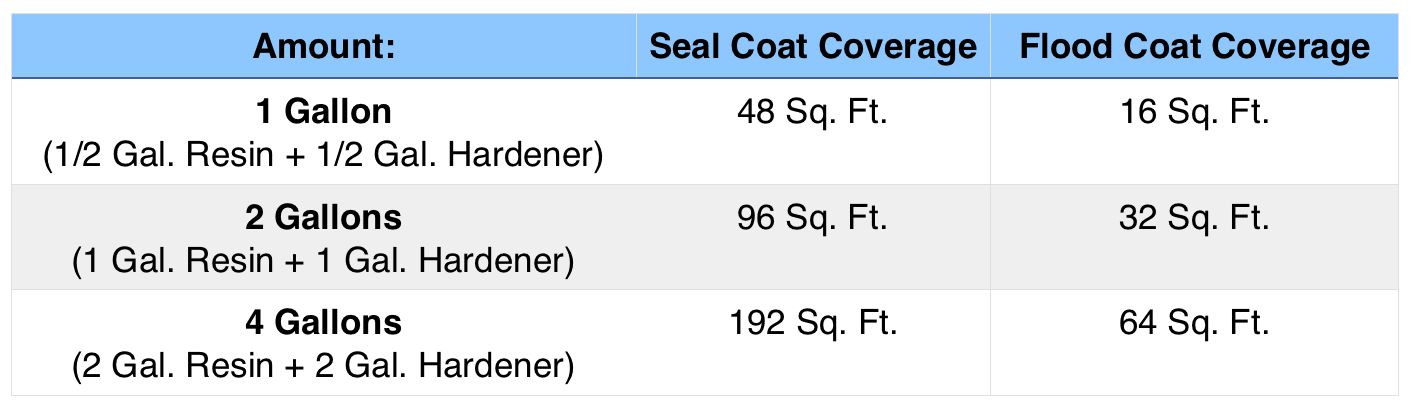
Seal Coat: Coverage is 48 sq.ft. per combined gallon. The seal coat is a small batch of epoxy that is brushed on in a thin layer to seal any pores in the surface and prevent air bubbles from forming in the following flood coat. Our epoxy is used for both the seal coat and the flood coat. It is the same product that is applied to the surface with a paint brush. This stage is followed by the flood coat, which is poured on and self levels to 1/8".
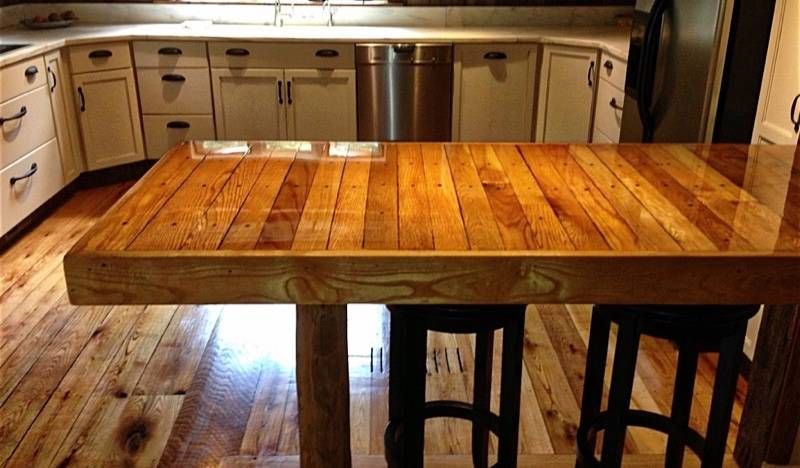
Flood Coat: Coverage is 16 sq.ft at 1/8" thick per combined gallon. A flood coat is simply poured on the surface and it self-levels to 1/8". Additional Flood coats can be applied every 4 hours to cover thicker embedded objects.
Side and Edges: When pouring over the Sides and Edges of a table, counter, or bar top, make sure that you purchase extra material to account for spillage over the sides as you will lose material coating them. You will lose about 30% of the epoxy going over the edge to coat the sides.
*These calculations are not intended to give more than a rough estimate. Precise epoxy needs will vary according to many factors, including application type and surface material. For specific advice regarding your project, contact our customer service department.